Catappa Bark
Catappa Bark
Couldn't load pickup availability
Complete the habitat


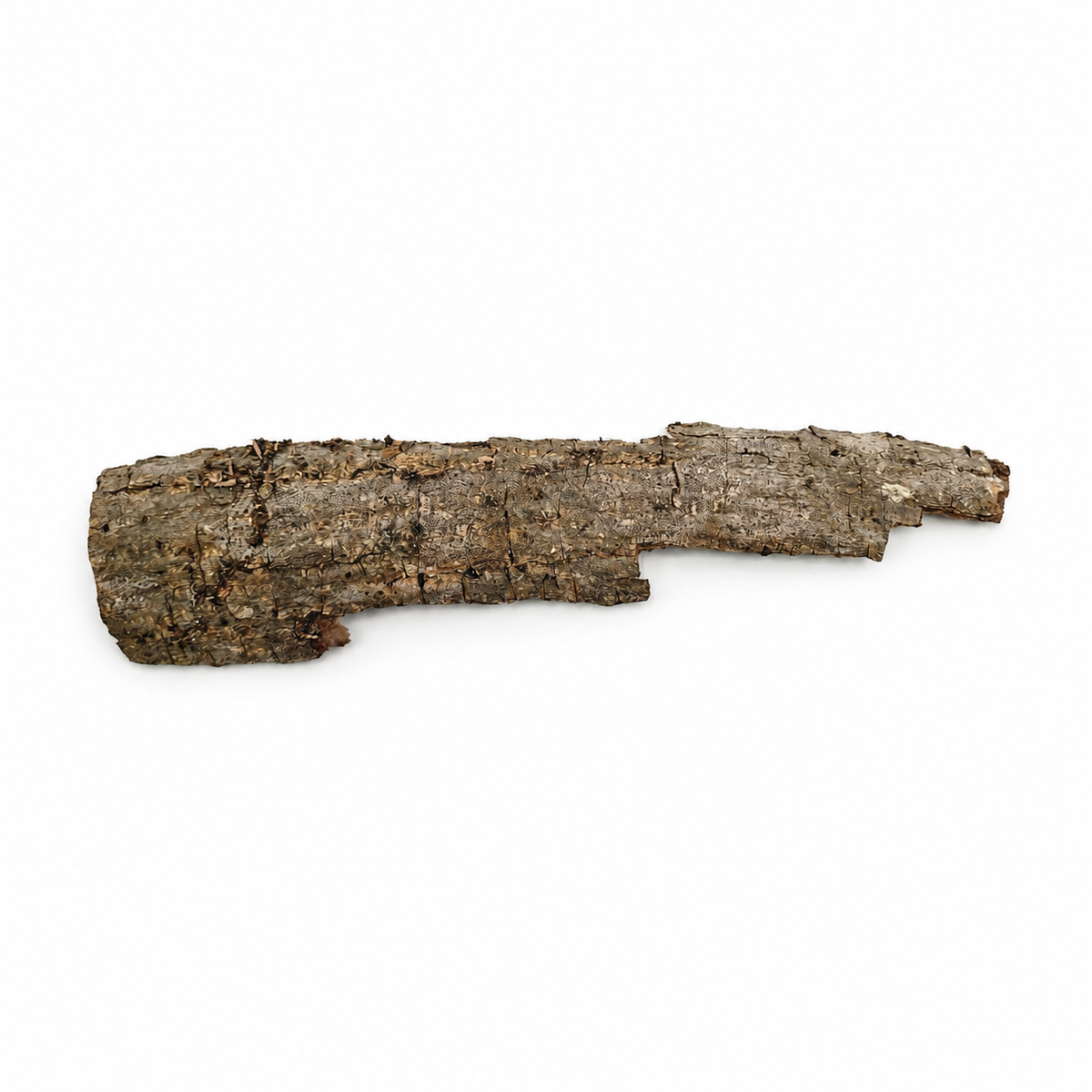
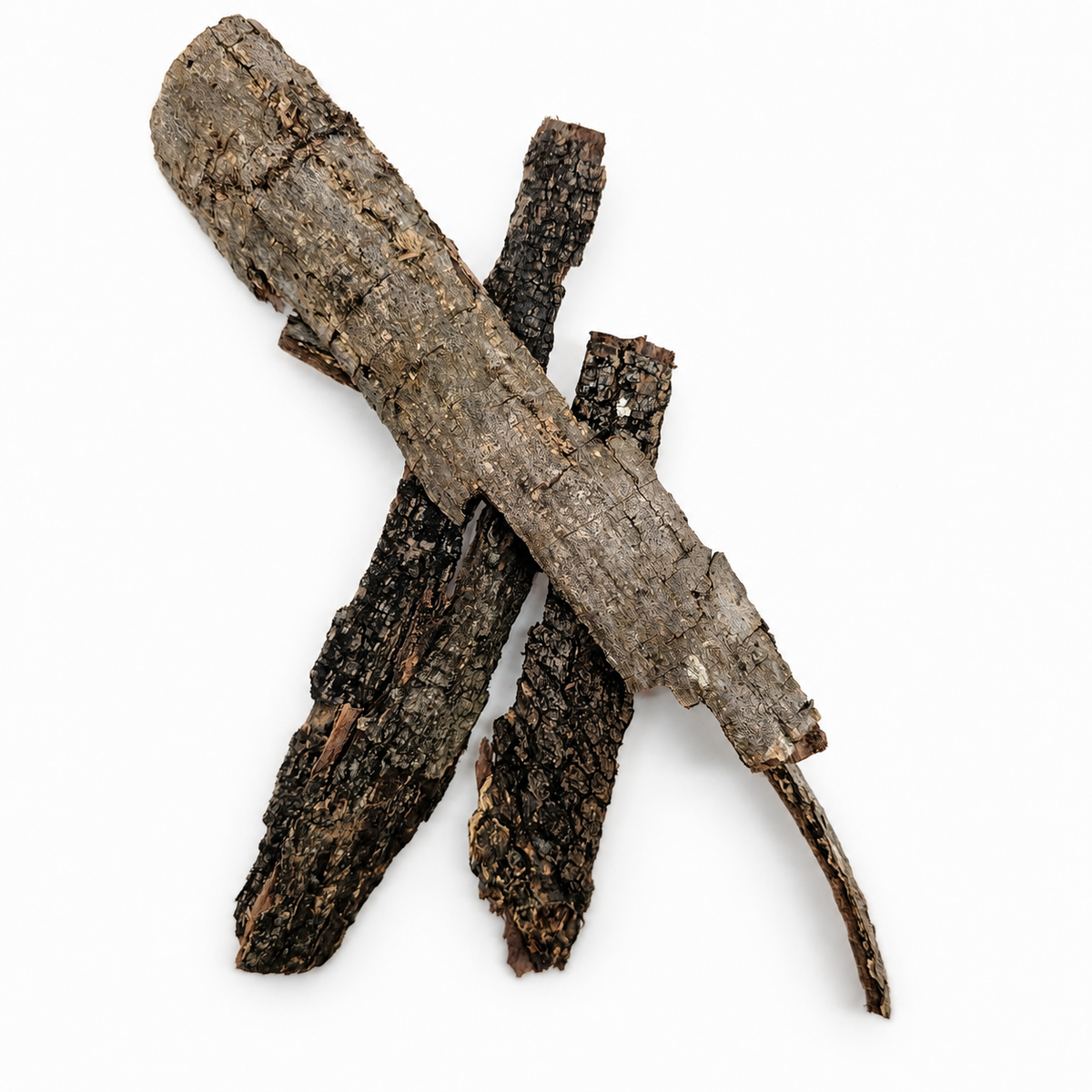
Catappa Bark is the slow-release counterpart to our Catappa Leaves. It comes from the Indian almond tree (Terminalia catappa). Ours is imported from Indonesia, within the tree’s native range of tropical Asia, the Pacific, and northern Australia. Pieces are irregular chunks and strips about 10–27 cm (4–11 in) long. They are fibrous, layered, and brown to grey-brown. After prep, the bark sinks and starts tinting the water within hours, building toward a deep amber. Bark is dense, so it releases tannins more gradually than leaves and keeps working for months from a small amount. Tucked between rocks or set on the sand, it adds woody texture to the scape. Its rough surface grows biofilm for shrimp and small fish to graze. It’s a natural fit for Southeast Asian blackwater and biotope tanks.
Habitat Snapshot
Key Benefits
- Slow, steady tannin release that outlasts leaves
- Breaks or cuts into hunks to tuck between rocks or rest on sand
- Very long lifespan — months of active chemical contribution from a compact volume
- Bark surfaces build biofilm for shrimp or snails to graze
How to Use
Rinse to remove loose debris. Boil for 30–45 minutes, then let the pieces soak in the cooled water until they sink. Break or cut the bark into hunks as needed. Wedge them between rocks or set them on top of the sand. Start with 5–10 g per 10 gal (38 L) and adjust to the tint you want. Monitor pH, especially in soft or RO water. Tannin output tapers over 3–6 months, so top up or replace the bark when the color fades. Pairing: Use it with Catappa Leaves. The leaves give quick color up front, and the bark carries the tint long-term.
Best For
Wild bettas, dwarf cichlids, gouramis, and shrimp in blackwater, biotope, and breeding tanks where you want tannin-tinted water without heavy leaf coverage.
Please Note: Not for human consumption. Preparation required. Because this is a natural product, size, shape, color, and texture will vary from piece to piece.
Let the botanical become part of the system. The value is in the slow breakdown, biofilm, tannin character, habitat texture, and natural behavior it encourages. This is where sunken forests come to life.