Mangrove Leaves
Mangrove Leaves
Couldn't load pickup availability
Complete the habitat


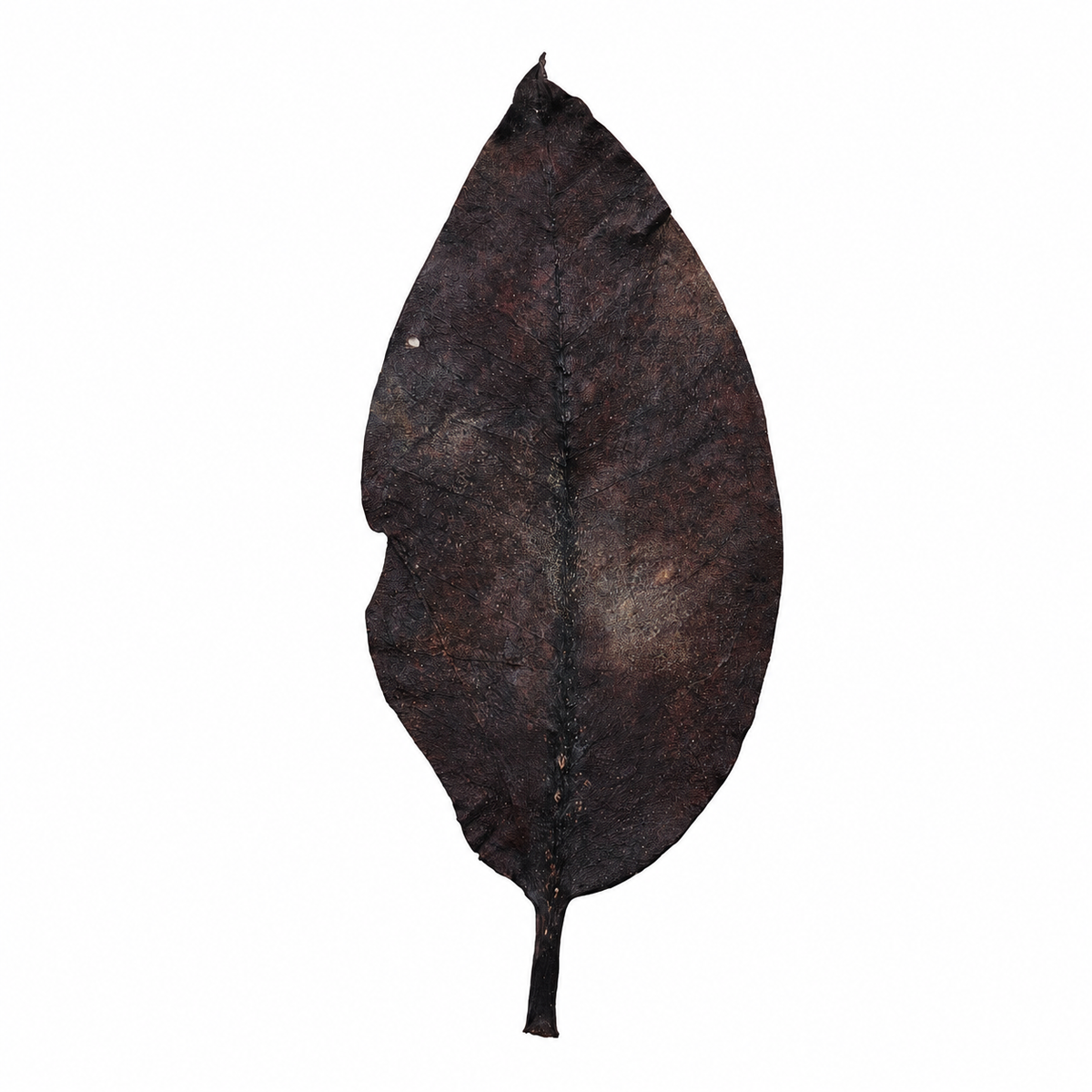
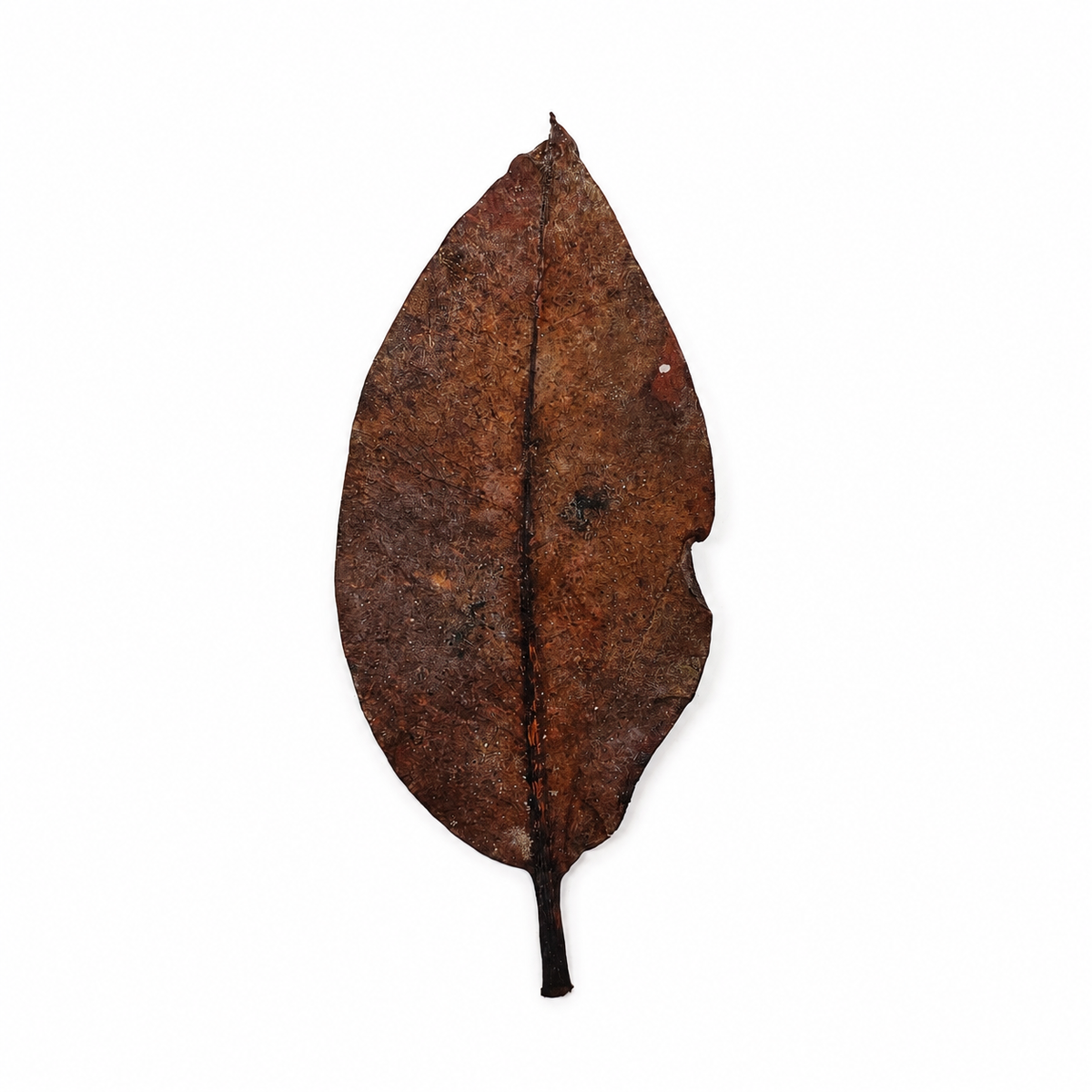
Mangrove Leaves come from Rhizophora spp., the stilt-rooted mangroves of tropical coastlines and estuaries. Ours are imported from Indonesia, within the native range of the Asian species, which runs from tropical Asia to the western Pacific and northern Australia. The leaves are thick, leathery, and oval to oblong, with a waxy surface and rich amber-brown color, built to withstand tidal, salty conditions. That toughness carries into the aquarium. They hold their shape for 4–8 weeks, longer than most leaves, while releasing warm amber tannins and building biofilm across their broad surfaces. They take longer to prepare, but they need replacing less often. They suit Southeast Asian biotopes, brackish setups, and any tank where you want litter that lasts.
Habitat Snapshot
Key Benefits
- Thick, leathery leaves that last 4–8 weeks in most tanks
- Steady, warm amber tannins over a long active period
- Broad leaves give lasting cover in the litter layer
- Builds biofilm gradually for shrimp and bottom-dwellers
How to Use
Rinse thoroughly. Boil for at least 25 minutes, then let the leaves cool in the water. Mangrove leaves are dense, so if they still float, keep them soaking until they sink. Use 2–3 leaves per 10 gal (38 L). Replace as they break down, usually after 4–8 weeks. Pairing: Combine with Macaranga Leaves for a mixed Indonesian litter bed with deeper color.
Best For
Southeast Asian biotopes, brackish setups, long-term botanical tanks, and wild bettas or dwarf cichlids where you want durable litter that rarely needs replacing.
Not for human consumption. Preparation required. Because this is a natural product, size, shape, color, and texture will vary from piece to piece.
Let the botanical become part of the system. The value is in the slow breakdown, biofilm, tannin character, habitat texture, and natural behavior it encourages. This is where sunken forests come to life.