Mango Leaves
Mango Leaves
Couldn't load pickup availability
Complete the habitat


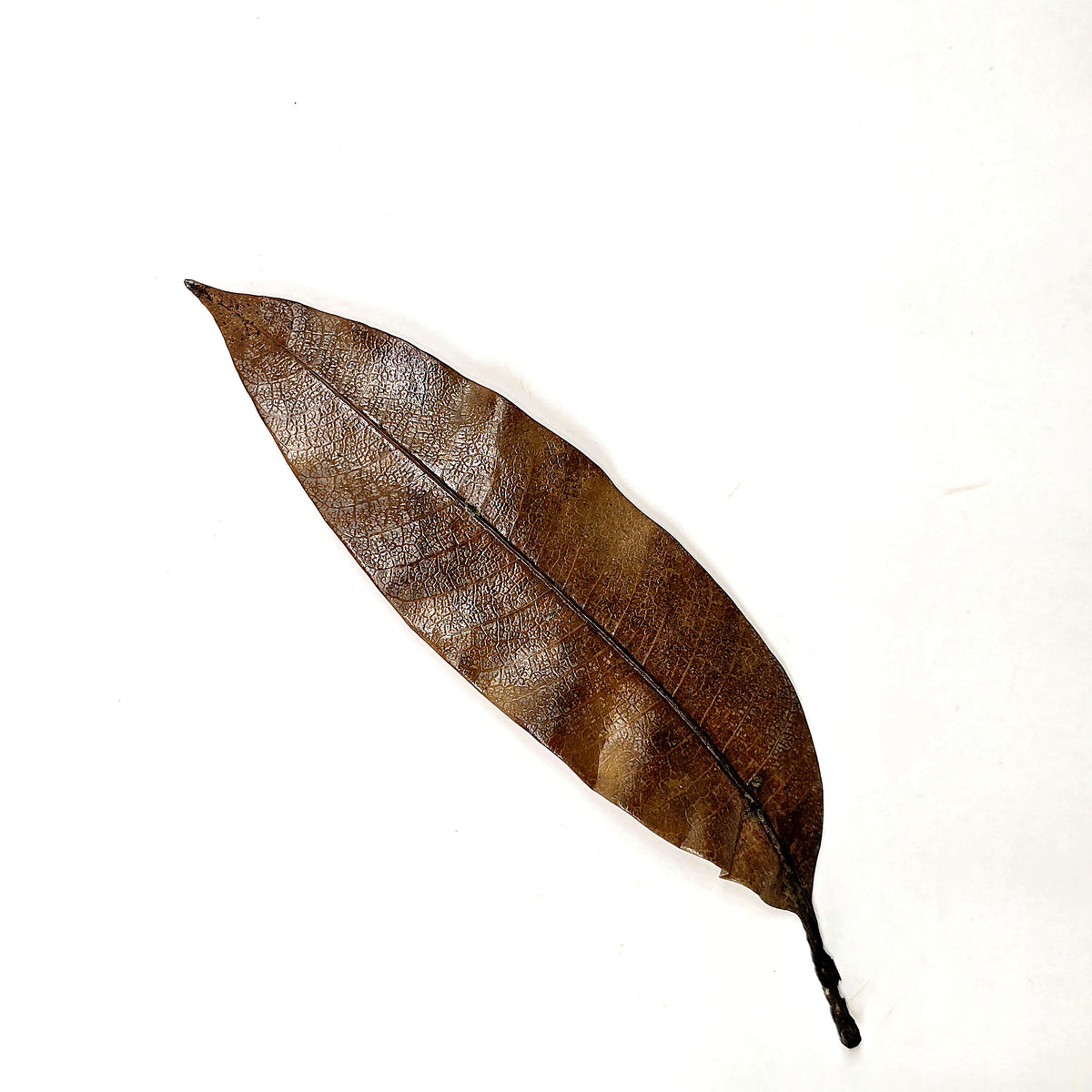
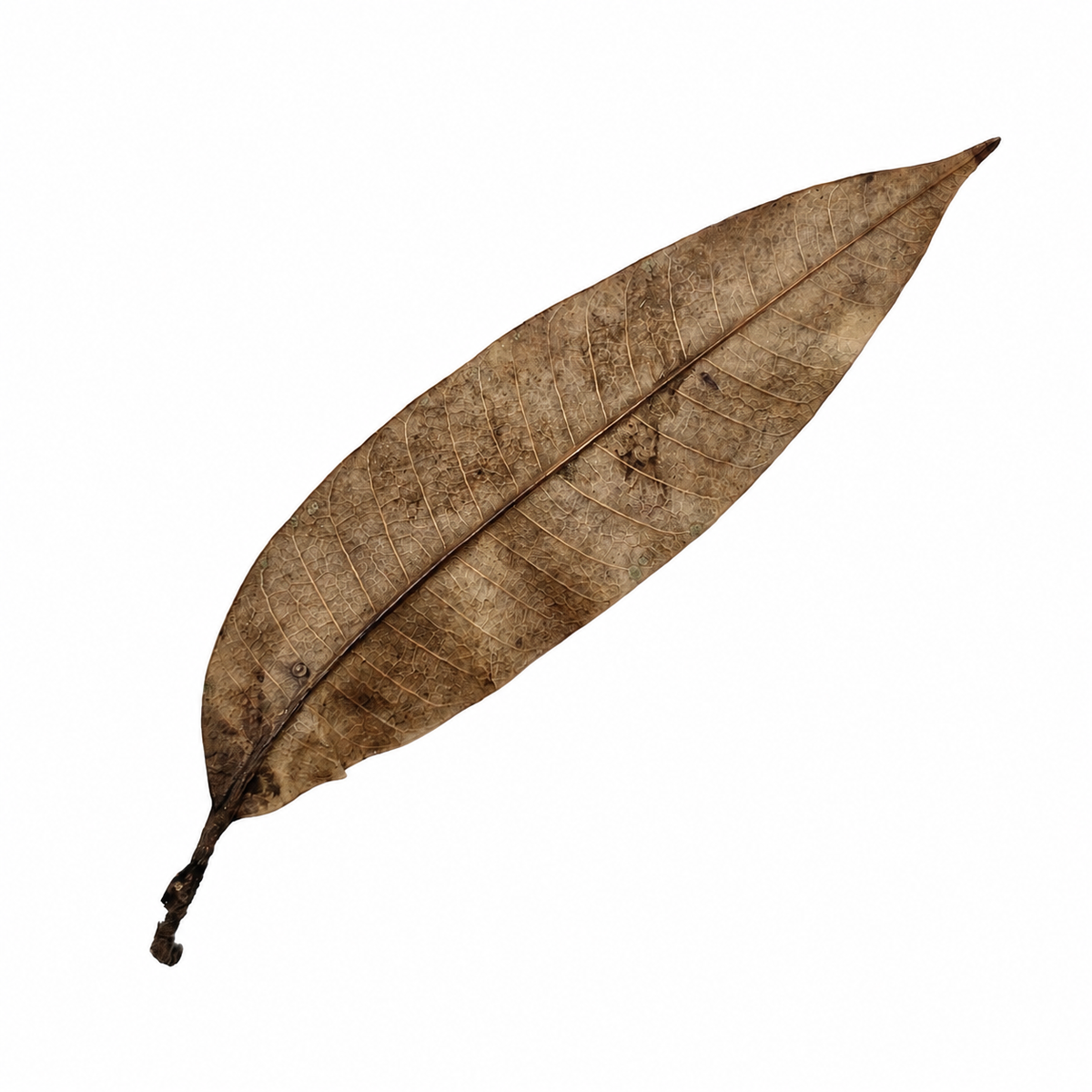
Mango Leaves come from (Mangifera indica), native from northeastern India to Myanmar, Thailand, and southern China and now grown throughout the tropics. Ours are imported from Indonesia, where mango has long been cultivated. The leaves are large and leathery, about 15–30 cm (6–12 in) long, and cure to an amber-brown with prominent veins and a firm, waxy surface. After an overnight soak they sink and lie flat, releasing moderate tannins steadily over 3–6 weeks for a warm amber tint. They are big enough to give bettas and dwarf cichlids real cover and firm enough to serve as a base layer under finer litter. As they soften, they build biofilm for shrimp to graze. They suit Southeast Asian builds and work as a general blackwater leaf elsewhere.
Habitat Snapshot
Key Benefits
- Moderate, steady tannins for a warm amber tint
- Large, firm leaves give real cover for fish
- Works as a base layer under finer botanicals
- Builds biofilm for shrimp and bottom-dwellers as it softens
How to Use
Rinse well. Boil for at least 25 minutes, then let the leaves cool in the water before adding them to the aquarium. Use 2–3 leaves per 10 gal (38 L) and let them break down in place. Add fresh leaves as the old ones break down to keep the tint steady. Monitor pH in soft or RO water. Pairing: Lay Mahogany Pod Sections on top of the mango litter for cover, or add Catappa Bark for a deeper, longer-lasting tint.
Best For
Wild bettas, dwarf cichlids, tetras, corydoras, community blackwater tanks, and mixed biotope builds. An excellent backbone leaf for layered litter compositions in any tank where consistent, balanced tannin conditioning is the goal.
Please Note: Not for human consumption. Preparation required. Because this is a natural product, size, shape, color, and texture will vary from piece to piece.
Let the botanical become part of the system. The value is in the slow breakdown, biofilm, tannin character, habitat texture, and natural behavior it encourages. This is where sunken forests come to life.